Introduction
Fire protection systems are designed to save lives, protect property, and minimize damage during fire emergencies. However, simply installing these systems is not enough to ensure long-term safety. Every component, from smoke detectors and fire alarms to sprinkler systems and fire extinguishers, must be inspected regularly to verify that it remains in proper working condition. This is why scheduled Bảo trì hệ thống PCCC inspections are a fundamental part of every effective fire safety program.
Bảo trì hệ thống PCCC refers to the planned maintenance and inspection of fire protection systems. Scheduled inspections help identify hidden defects, worn components, damaged equipment, and potential failures before they become serious safety risks. Rather than waiting until equipment malfunctions during an emergency, organizations can address problems early through preventive maintenance.
Whether managing an office building, shopping center, factory, hospital, hotel, warehouse, or residential complex, building owners have a responsibility to ensure their fire protection systems remain reliable. This article explores the importance of scheduled Bảo trì hệ thống PCCC inspections, the key components involved, inspection procedures, benefits, common challenges, and best practices for maintaining a safe environment.
Understanding Bảo trì hệ thống PCCC Inspections
A fire protection system consists of numerous interconnected devices that work together to detect fires, alert occupants, suppress flames, and support safe evacuation.
Routine inspections evaluate the condition and performance of these systems, including:
- Fire alarm systems
- Smoke detectors
- Heat detectors
- Automatic sprinkler systems
- Fire pumps
- Fire hydrants
- Portable fire extinguishers
- Emergency lighting
- Exit signs
- Smoke control equipment
- Emergency communication systems
Scheduled inspections ensure each component continues to operate according to design specifications.
Why Scheduled Inspections Are Necessary
Fire protection equipment operates continuously, even when no emergency exists. Over time, environmental conditions and normal wear can affect performance.
Common causes of equipment deterioration include:
- Dust accumulation
- Moisture exposure
- Corrosion
- Mechanical wear
- Electrical aging
- Vibration
- Temperature fluctuations
- Accidental damage
Without scheduled Bảo trì hệ thống PCCC inspections, these problems may remain unnoticed until a fire occurs. Regular inspections identify potential failures early, reducing safety risks and avoiding costly repairs.
Improving Fire Detection Reliability
Early fire detection is one of the most important factors in minimizing injuries and property damage.
Smoke and heat detectors must respond immediately when dangerous conditions develop.
Scheduled inspections help technicians:
- Clean detector sensors
- Test sensitivity levels
- Verify electrical connections
- Inspect mounting positions
- Replace aging detectors
- Confirm communication with the fire alarm panel
These maintenance activities ensure reliable fire detection and reduce the risk of delayed alarm activation.
Maintaining Fire Alarm Systems
Fire alarms provide immediate warning so occupants can evacuate safely.
A complete fire alarm system typically includes:
- Fire alarm control panels
- Manual call points
- Smoke detectors
- Heat detectors
- Audible alarms
- Visual warning devices
- Backup batteries
- Communication modules Bảo trì hệ thống PCCC
Scheduled inspections verify that all devices communicate correctly and activate without delay.
Technicians also test backup power systems to ensure alarms continue functioning during electrical outages.
Inspecting Automatic Sprinkler Systems
Automatic sprinkler systems play a critical role in controlling fires before they spread.
Routine inspections focus on:
- Sprinkler heads
- Water supply
- Valves
- Pipes
- Pressure gauges
- Water storage tanks
- Flow switches
Technicians check for corrosion, leaks, blockages, mechanical damage, and improper storage that could interfere with sprinkler performance.
Properly maintained sprinkler systems significantly reduce fire damage.
Verifying Fire Pump Performance
Fire pumps supply the water pressure necessary for sprinklers and hydrants.
Without adequate pressure, suppression systems cannot perform effectively.
Scheduled maintenance includes:
- Operational testing
- Pressure measurements
- Motor inspections
- Lubrication
- Fuel checks for diesel pumps
- Electrical testing
- Automatic start verification
These inspections ensure pumps are ready to operate whenever needed.
Inspecting Fire Extinguishers
Portable fire extinguishers provide immediate response to small fires before they grow larger.
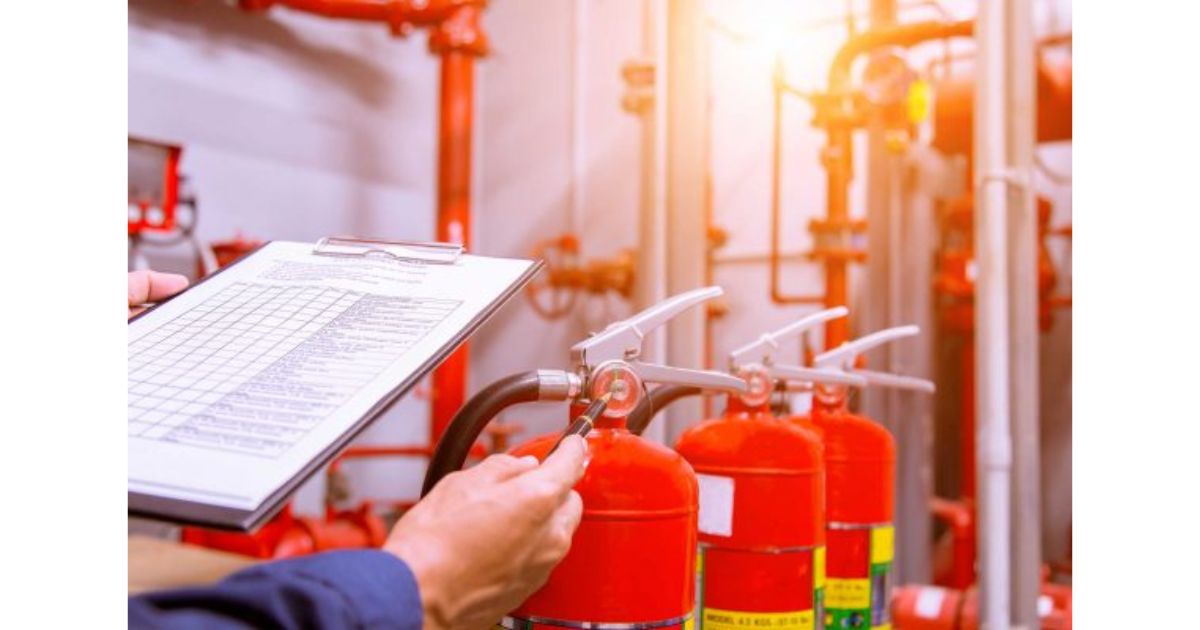
Inspection procedures include:
- Pressure gauge verification
- Physical condition assessment
- Hose inspection
- Seal examination
- Weight verification
- Accessibility checks
- Expiration date review
Damaged or discharged extinguishers should be serviced or replaced immediately.
Maintaining Emergency Lighting
Power failures frequently occur during fire emergencies.
Emergency lighting helps occupants locate exits safely when normal lighting is unavailable.
Scheduled inspections include:
- Battery testing
- Illumination verification
- Charging system inspection
- Fixture cleaning
- Replacement of defective units
Reliable emergency lighting supports safe evacuation under difficult conditions.
Checking Exit Signs
Clearly illuminated exit signs guide building occupants toward safe exits.
Routine inspections ensure:
- Proper illumination
- Backup battery operation
- Visibility from evacuation routes
- Secure mounting
- Physical condition
Damaged or poorly illuminated signs should be repaired promptly.
Supporting Safe Evacuation
Fire protection extends beyond detecting and suppressing fires.
Effective evacuation depends on properly functioning support systems, including:
- Emergency lighting
- Exit signage
- Public address systems
- Smoke management systems
- Emergency communication equipment
Scheduled Bảo trì hệ thống PCCC inspections verify that these systems remain operational and ready for emergencies.
Reducing Equipment Failures
Unexpected equipment failures can seriously compromise fire safety.
Common issues discovered during inspections include:
- Weak batteries
- Corroded sprinkler heads
- Faulty detectors
- Damaged wiring
- Leaking valves
- Obstructed sprinkler heads
- Alarm communication faults
Routine inspections identify these problems before they lead to system failures during emergencies.
Extending Equipment Lifespan
Fire protection systems represent a significant investment.
Regular inspections help maximize equipment lifespan through:
- Cleaning
- Calibration
- Lubrication
- Minor repairs
- Component replacement
- Corrosion prevention
Preventive maintenance reduces wear and delays the need for expensive replacements.
Supporting Regulatory Compliance
Many jurisdictions require scheduled fire protection inspections.
Routine Bảo trì hệ thống PCCC helps organizations comply with fire safety regulations by maintaining:
- Inspection records
- Maintenance logs
- Testing reports
- Repair documentation
- Equipment certifications
Proper documentation demonstrates compliance during official inspections.
Reducing Financial Losses
Fire emergencies can result in substantial financial consequences, including:
- Property damage
- Business interruption
- Equipment replacement
- Lost productivity
- Insurance claims
- Customer disruption
Scheduled inspections reduce these risks by ensuring fire protection systems function effectively.
Preventing a single major fire often offsets years of maintenance expenses.
Common Challenges During Inspections
Organizations may encounter several challenges when implementing scheduled maintenance.
Large Facilities
Extensive buildings require careful planning to ensure every device receives inspection.
Aging Equipment
Older systems may require more frequent maintenance and replacement parts.
Busy Operations
Scheduling inspections without interrupting business activities can be difficult.
Environmental Conditions
Dust, humidity, chemicals, and vibration may accelerate equipment deterioration.
Recognizing these challenges allows organizations to develop effective inspection strategies.
Best Practices for Scheduled Inspections
Successful Bảo trì hệ thống PCCC programs follow several important best practices.
Create an Inspection Calendar
Develop a schedule covering daily, weekly, monthly, quarterly, and annual inspections.
Use Qualified Technicians
Experienced professionals possess the expertise necessary to evaluate complex fire protection systems.
Maintain Detailed Records
Document every inspection, repair, test, and replacement.
Correct Deficiencies Immediately
Minor problems should be repaired promptly before they become major failures.
Train Building Personnel
Employees should know how to recognize visible equipment problems and report them quickly.
Review Inspection Results
Facility managers should regularly evaluate inspection reports to identify recurring issues and opportunities for improvement.
Integrating Inspections with Overall Fire Safety
Scheduled inspections work best when integrated with broader fire safety initiatives.
Organizations should coordinate maintenance with:
- Fire drills
- Emergency response planning
- Employee training
- Hazard assessments
- Building inspections
- Safety audits
This comprehensive approach strengthens emergency preparedness throughout the organization.
The Future of Fire Protection Inspections
Advancements in technology continue improving maintenance efficiency.
Modern inspection tools include:
- Smart fire alarm systems
- Remote monitoring platforms
- Digital maintenance software
- Predictive maintenance technology
- Cloud-based inspection records
- Automated diagnostics
These innovations help technicians identify problems earlier while improving inspection accuracy.
Conclusion
Scheduled Bảo trì hệ thống PCCC inspections are essential for maintaining reliable fire protection systems and ensuring long-term building safety. Regular inspections help identify hidden defects, improve equipment reliability, extend system lifespan, support regulatory compliance, and enhance emergency preparedness.
Rather than waiting for equipment to fail during a fire emergency, organizations that prioritize scheduled inspections take a proactive approach to safety. Consistent maintenance protects lives, preserves valuable assets, minimizes business interruptions, and ensures every fire protection system is prepared to perform when it matters most. Investing in routine Bảo trì hệ thống PCCC inspections is a practical and responsible step toward creating a safer environment for everyone.